Your awe-inspiring 2026 journey starts here! Fixed Departures: Manaslu Circuit – 10th Oct, 1st Nov Annapurna Circuit – 10th Oct, 1st Nov Nar Phu Valley – 24th Oct, 13th Nov


Helambu Circuit Trek
Trip Info
Duration
8 Days
Trek Region
Langtang
Destination
Nepal
Grade
Easy
Activity Per Day
4 to 5 hours
Best Season
All Year Round
Activity
Trekking in Nepal
Start/End Point
Sundarijal / Sermathang
Helambu Circuit Trek covers the diverse range of brilliant green valleys, hazy rhododendron forests, and distant horizons of snowy peaks and the vivid contrast of Hindu and Tibetan Buddhist cultures.
The Helambu Circuit Trek is the ideal short trek and this Helambu region remains relatively unspoiled. Here in Helembu you will experience the Yolmo culture of high mountains villages, marvel at vistas of lonely high mountains and watch enthralled as the farmers toil in the fields using hand made tools and teams of water buffalo.
Helambu Circuit Trek noted for its scenic greatness and pleasant climate, lie in the north of the Kathmandu Valley. During this trek, you can stay in highland monastery villages and small settlements in perfect forests. The most accessible of all trekking regions, Helambu offers a low elevation, distinctly enjoyable walk.
Tamang and Yolmo villages, people with strong family and cultural ties meet friendly and hospitable. Helambu offers those with limited time an instant Himalayan trek. The Helambu Circuit Trek is an easy and pleasant trip that takes place at an average altitude of 3500m.
The trek takes you to Tarkegyang through Tharepati, where a selection of trails opens. And we trek along the south ridge via Sermathang, down to the Melamchi river the site of a mega-project to bring drinking water through a series of tunnels to Kathmandu. With a drive down to Kathmandu, the Helambu Circuit Trek concludes.
If your time permits and willing to do two weeks of trekking then you can combine this trek with Langtang Gosaiunda Trek!
Highlights of Helambu Circuit Trek
- Observe the indigenous Yolmo people’s culture and lifestyles.
- Relatively short and easy to trek nearby Kathmandu capital.
- The Tharepati at 3650 meters is the highest point of the trek.
- The landscapes that include lush vegetation, river valleys and Langtang Himalayan Range to the north Shivapuri National Park‘s floral and fauna biodiversity and surrounding regions and visit Buddhist monasteries
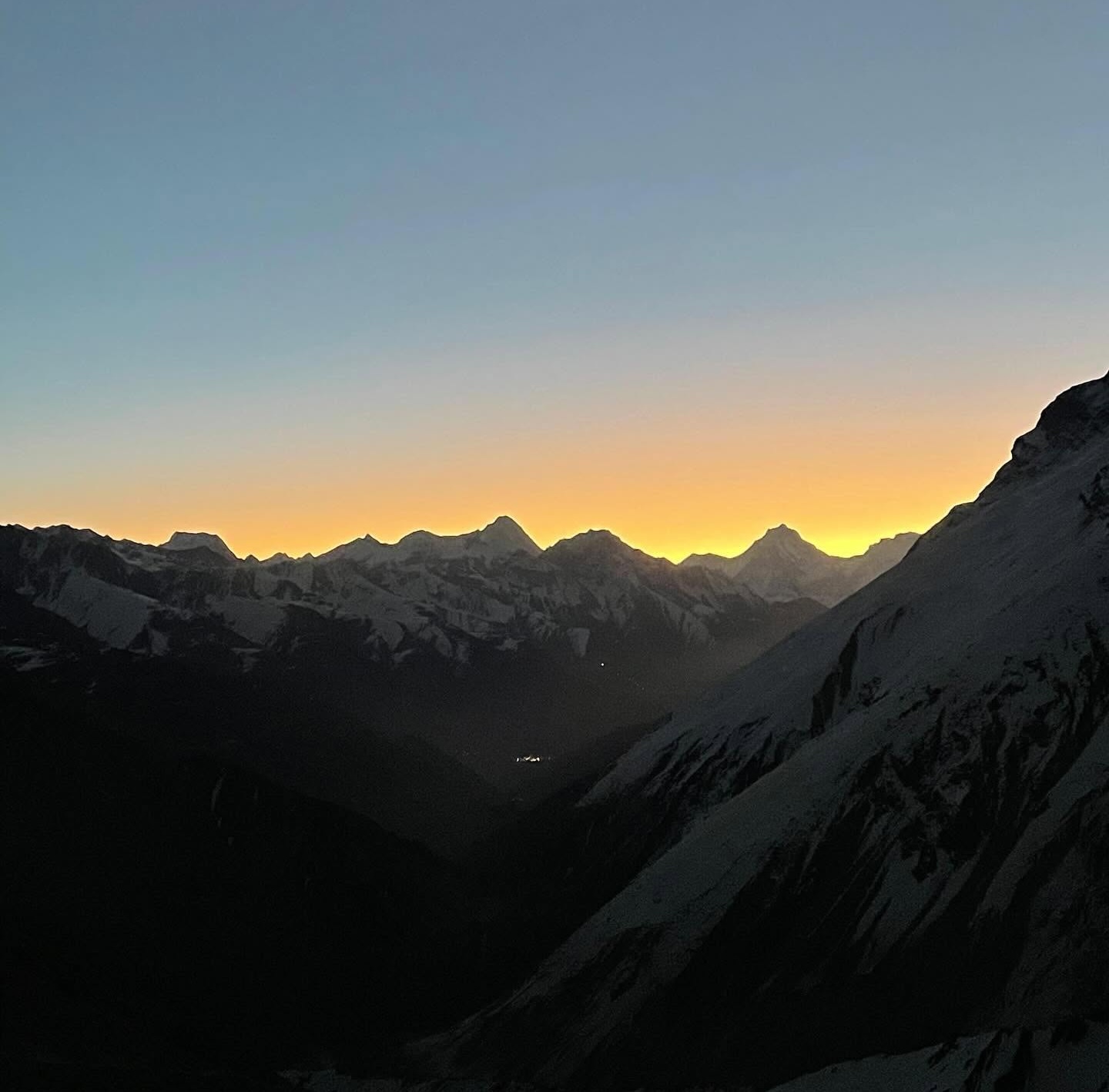
- Spectacular views of the snow-capped Himalayan-Langtang Lirung, Dorje Lakpa, Tibetan Shisapangma and many other nearby mountains.
Why Choose the Helambu Circuit for Your Next Adventure?
Beginner, Easily Accessible
The Helambu Circuit is one of Nepal’s easiest treks in the Himalayas and is suitable for both beginning and experienced trekkers. The altitude of this trek is moderate (under 3700 m), which greatly reduces your chance of experiencing altitude sickness compared to other routes that are higher, like Annapurna or Everest.
Explore a Rich Culture
This trek is different from many others because it takes you on an exceptionally cultural experience through remote areas where the Sherpas, Tamang, and Hyolmo people live. You will experience the rich cultural life of mountain people and see the deep spirituality of the people through the Buddhist monasteries, prayer flags, and rustic accommodations that you will have on your trek.
Beautiful Nature Everywhere You Look
The Helambu Circuit offers a variety of landscapes to experience. You will see everything from lush forests of oak and rhododendron to the spectacular vistas of the Himalayan Ranges. Each step of this influenced trek will have you staring at the mountains to your left or right, including the Langtang, Ganesh Himal, and Dorje Lhakpa Mountains.
Close Proximity to Kathmandu
If you want to experience Himalayan trekking but do not have much time to spare, you can reach the Helambu region from Sundarijal or Melamchi very easily. This region is only a short distance from Kathmandu, so it makes it easy for you if your time in Nepal is limited.
Tranquillity and Fewer Crowds
Compared to the popular trekking routes, you will be able to experience much more peace, tranquillity, and solitude when trekking through the Helambu region. You’ll have many opportunities to experience the beauty of the landscape without being on a crowded trail. And you’ll also have many opportunities to meet and interact with local cultures in a more personal manner than on one of the main trekking routes.
The “Yolmo Heritage” Experience
Receiving an immersive cultural experience of the Yolmo culture and heritage in Helambu, Nepal, is what the Yolmo Heritage experience is all about. The Yolmo, also sometimes spelt Hyolmo, are one of the Indigenous peoples of the Himalayas. They’re connected through their history to Tibetan culture and Buddhism.
Evidence of ancient customs, traditional stone houses, narrow trails and terraced farm fields reflects this history. And you’ll find all of this in the Yolmo villages of Melamchi Ghyang, Tarke Ghyang, and Sermathang.
Hikers walking along this cultural heritage are immersed in sacred Buddhist locations. There are daily prayer flags, mani walls and monasteries. Plus, there are daily rituals and ceremonies that have occurred for many generations. By actively participating in daily community life, visitors don’t just observe. They participate in local festivals and interact with Yolmo families.
So visitors will learn about a continuing heritage that has been formed by ancient cultures and beliefs. In Helambu, it’s a rich and memorable heritage. But it’s not just about culture. You’ll also enjoy the natural beauty of the Himalayas during the Yolmo Heritage Experience.
Helambu Circuit Trek Quick Trip Facts and Statistics
| Category | Details |
| Trek Name | Helambu Circuit Trek |
| Location | Helambu region, northeast of Kathmandu (~70–80 km) |
| Typical Duration | 5–8 days depending on itinerary |
| Starting Point | Sundarijal (near Kathmandu) |
| Ending Point | Melamchi Bazaar / Kathmandu return |
| Maximum Altitude | ~3,650–3,690 m (Tharepati / Thadepati) |
| Trek Grade | Easy to Moderate |
| Daily Trek | ~4–7 hours per day |
| Accommodation | Tea houses / lodges along the trail |
| Best Seasons | Spring (Mar–May) & Autumn (Sept–Nov) |
| Highlights | Rhododendron forests, traditional Sherpa & Tamang villages, Himalayan views |
Why Helambu is Nepal’s Best-Kept Secret for Short-Term Trekkers?
Helambu is one of Nepal’s best-kept secrets. It provides trekkers with authentic Himalayan trekking experiences in a short period of time. So it’s a great option compared to the long, high-altitude treks. The trailhead is located only a short distance from Kathmandu, approximately four hours. And that makes it easier to have longer hiking days. You’ll spend less time in transit and more time hiking through beautiful forests and traditional villages.
The long, high-altitude treks present new challenges. They’re tough for newcomers and also for those who are short on time. But the moderate level of difficulty helps. Plus the lower elevations generally help trekkers to avoid high-altitude sickness.
Also, trekkers will have the opportunity for cultural immersion through the Hyolmo and Tamang people. You’ll hike on un-crowded trails and experience breathtaking mountain scenery. And it’s all within a compact 5-8 day itinerary. So it’s suitable for compact travel plans.
Entry and Exit Points: Starting in Sundarijal, Ending in Melamchi
Starting Point: Sundarijal
The trek starts at Sundarijal, which is a small town at the northeast corner of the Kathmandu Valley. Sundarijal is located just outside the city and is less than an hour from Kathmandu by private vehicle (car or taxi), or local bus.
Sundarijal is located at the entrance to Shivapuri National Park. The starting point for the trek is at the dam and the waterworks area, next to the water supply pipeline, then continuing up through the woodlands and the trails next to the water pipeline to the heart of the Helambu Area.
Ending Point: Melamchi Bazaar
The Helambu Circuit ends at Melamchi Bazaar (Melamchi Pul), which is a trading centre located at the lower part of the Melamchi Valley. After descending from highland villages, Melamchi Bazaar will be the last place trekkers can access a road for their return to Kathmandu.
Once at Melamchi Bazaar, while in town, a person can access a jeep, bus or private vehicle to return to Kathmandu and complete the Circuit trek to Kathmandu.
How Much Does the Helambu Circuit Trek Cost?
The price of a trek on the Helambu Circuit can range dramatically. It depends on itinerary length, services, accommodation level and group size. Independent trekkers on a budget can expect to pay between $300 and $600 USD. So that’s for a fairly short trek of 5 to 6 days. It includes permits, food, basic tea-house lodges and sometimes a guide/porter.
Organised guided standard packages run 7 to 8 days. They’ll typically cost between $450 and $900 USD. And that covers the trek plus all meals, permits, transport, and mid-range accommodation.
Longer organised treks of 10 or more days will be priced higher than standard packages. You’ll potentially pay $950 as an estimate, but costs could exceed $1500 per person. Plus, you’ll get better lodges and private transport with experienced guides.
Also, all costs above exclude international airfare to and from Nepal. And don’t forget personal expenses incurred during the trip.
Note
The above information is a guide and standard template of what we provide. This itinerary can be customized according to the duration of your holiday. We have many options for shorter visits based on your interests and budget.
On an adventure trip of this type, weather, political strikes, transport or a multitude of other factors beyond our control can result in a change of itinerary. It is however very unlikely that the itinerary would be substantially altered; if alterations are necessary the leader will decide what is the best alternative, taking into consideration the best interests of the whole group. Where a change does occur, we do everything we can to minimize its effect, but we cannot be responsible for the results of changes or delays.
Trek Leader and Crew
Here at Himalaya Discovery, we firmly believe that the way to get the most out of your staff is to treat them well; a happy staff is a hard-working staff. And this belief manifests itself in every way we deal with our staff.
We employ only local leaders and staff to help sustain the local communities we work with. We provide training for all our staff and all our trek leaders are trained in the following as a minimum;
- Intensive Wilderness First Aid
- Trekking Guide Training
- Eco Trekking Workshop & Adventure Meet
- English Language
- Conservation & Biodiversity
- Rock & Ice Climbing & Mountaineering (for expedition leaders)
So, we can guarantee you your trip will be led by the best, most professional and experienced guides there are. All of our guides good English-speakers, All our guides are carefully selected for their experience, leadership skills and personal ability. We have learnt that effective leadership is a vital for a trip to be safe, enjoyable and successful.
In fact, not only are all our guides experienced working in these regions, but most of them actually grew up in these mountainous regions of Nepal. Its home for them, it’s in their blood. They’re not only ‘familiar’ with local communities and culture; they’re a part of them and they practice it. They truly love their home and relish getting the opportunity to show travellers.
Itinerary
Just a short drive from Kathmandu, the Helambu Circuit Trek is a 7-day trip from Kathmandu. This Itinerary offers you the opportunity to trek through the culturally diverse highland region of Helambu.
The Circuit begins at Sundarijal, trekking through Shivapuri National Park and passing through traditional Sherpa villages, including Kutumsang and Tharepati. The Circuit continues on to Melamchi Gaon before trekking back down to Sermathang. Then the last part of the trek takes you to Melamchi Bazaar, where a short drive back to Kathmandu will conclude your trek.
The trail offers beautiful views of the Himalayan Range and visits to monasteries along the route. And it provides a low to moderate level of physical exertion. So it's a popular trek among most types of people, including first-timers and those with an interest in culture.
The Circuit begins at Sundarijal, trekking through Shivapuri National Park and passing through traditional Sherpa villages, including Kutumsang and Tharepati. The Circuit continues on to Melamchi Gaon before trekking back down to Sermathang. Then the last part of the trek takes you to Melamchi Bazaar, where a short drive back to Kathmandu will conclude your trek.
The trail offers beautiful views of the Himalayan Range and visits to monasteries along the route. And it provides a low to moderate level of physical exertion. So it's a popular trek among most types of people, including first-timers and those with an interest in culture.
Day 01- Arrive in Kathmandu.
Upon your arrival in the Kathmandu airport after completing your custom formalities Visa, etc. pick up your luggage and look for our airport representative from Himalaya Discovery, who will display your name on the board at the arrival gate. You will be greeted by our representative and transferred to the hotel by private tourist vehicle. Overnight at hotel in Kathmandu.
Distance : 5–7 km airport to hotel (Drive)
Duration : 20–40 minutes drive
Altitude : 1400m
Meals : Breakfast
Accomodations : Hotel
Place : Kathmandu, Thamel, Tribhuvan International Airport, Durbar Marg, Thamel, Kathmandu Durbar Square, Garden of Dreams, Swayambhunath Stupa, Pashupatinath Temple, Boudhanath Stupa, Patan Durbar Square, Bhaktapur Durbar Square


Day 02- Free in Kathmandu for sightseeing and pre trip briefing and gear check.
Today is free for sightseeing in Kathmandu. You may wish to visit Durbar Square in the heart of the old city where the old Royal Palace, with its intricate woodcarving is located. The whole area is a maze of temples and images. Leading away from the square in all directions are narrow alleys, full of the most amazing variety of shops and stalls.
Some of these landmarks are considered World Heritage Sites including the historic Bhaktapur Durbar Square, the famous ‘Monkey Temple’ Swayambhunath and Buddhists shrine Buddhanath which is one of the largest Stupas in the world.
There will also be a full trip briefing today with gear check. In case you need to hire or buy equipment locally there will be time to do this today. Overnight at hotel in Kathmandu.
Distance : 10–25 km around valley Drive
Duration : 3–6 hours city walking
Altitude : 1,400 m
Meals : Breakfast
Accomodations : Hotel
Place : Kathmandu Durbar Square, Hanuman Dhoka, Asan Bazaar, Swayambhunath Stupa, Pashupatinath Temple, Boudhanath Stupa, Patan Durbar Square, Bhaktapur Durbar Square, Kirtipur


Day 03- Drive from Kathmandu to Sundarijal and trek to Chisopani.
Drive from Kathmandu to Sundarijal takes approximately one hour and trek from Sundarijal the trail will enter through the Shivpuri Watershed and Wildlife Reserve. The first settlement you will come across is Mulkharka with Tamang habitants. The route heads down the ridge through a forest of oaks and rhododendron to Chisopani (2300m.) Overnight at guesthouse.
Distance : 12 - 15 km drive
Duration : 4.30 hrs
Altitude : 2300m
Meals : Breakfast- Lunch- Dinner
Accomodations : Teahouse
Place : Sundarijal waterfall, Bagmati River source area, Mulkharka village, Shivapuri forest, Kathmandu Valley viewpoints, Nagarkot ridge connections


Day 04- Tek to Kutumsang.
After breakfast, we head for a journey to Kutumsang. Our today’s trek starts with a decent crossing meadows and fields. Enjoy the magnificent views of the Langtang Mountains. Thus we arrive at Pathi Bhanjyang and Gul Bhanjyang.
From Gul Bhanjyang, the trail climbs the ridge to another pass. Another downhill trek from the pass takes us to Kutumsang. Overnight at guesthouse.
Distance : Around 14–16 km
Duration : 6 hrs
Altitude : 2440m
Meals : Breakfast- Lunch- Dinner
Accomodations : Teahouse
Place : Pati Bhanjyang, Gul Bhanjyang, terraced fields, local monasteries, Helambu ridge viewpoints


Day 05- Trek to Tharepati.
We climb above Kutumsang on a steep trail mostly through fir and rhododendron forest where there are no permanent settlements. The trek continues to Yurin Danda with magnificent views of the Himalayas. Finally, we arrive at Tharepati. Overnight at guesthouse
Distance : About 10–12 km
Duration : 5 hrs
Altitude : 3650m
Meals : Breakfast- Lunch- Dinner
Accomodations : Teahouse
Place : Lauribina ridge skyline, Helambu valley views, Jugal Himal range, Langtang range views, rhododendron forest, yak pastures


Day 06- Trek to Tarkeghyang.
Starting with some descend upto Melamchi stram the trail gently climb to Tarkegyang. During early part of the trek, the trail descends until we cross the Melamchi Khola. Then we trek up to Tarkeghyang passing through Sherpa settlements.
Enjoy the himalayan peaks ofter appear before you glistening in the sunshine. discover the village and its monastery which is one of the oldest and biggest monasteries in the region.
The village is more popularly known as Helambu, since most of the inhabitants belong to the Helmu caste. Overnight at guesthouse.
Distance : 12–15 km
Duration : 6 hrs
Altitude : 2740m
Meals : Breakfast- Lunch- Dinner
Accomodations : Teahouse
Place : Tarkeghyang monastery, old stone houses, apple orchards, Helambu cultural villages, Ama Yangri area, Melamchi valley

Day 07- Tek to Sermathang.
Today mostly flate, easy walk through wide valley passing through forest and streams. Sermathang is the beautiful village with a Buddhist monastery. Overnight at guesthouse.
Distance : About 10–12 km
Duration : 4 hrs
Altitude : 2610m
Meals : Breakfast- Lunch- Dinner
Accomodations : Teahouse
Place : Sermathang monastery, Melamchi valley views, Sherpa and Tamang villages, chortens and mani walls, ridge viewpoints


Day 08- Drive back to Kathmandu.
Drive to Kathmandu and overnight at hotel. The rest of the afternoon is free. Overnight at hotel in Kathmandu.
Distance : 0–5 km short walk
Duration : 2 hours walking and About 3–5 hours by Jeep
Altitude : 2,590 m
Meals : Breakfast- Lunch
Accomodations : Teahouse
Place : Melamchi Pul Bazaar, Indrawati River, Araniko Highway towns, Banepa, Bhaktapur Durbar Square, Thamel


Day 09- Free day and farewell dinner in Kathmandu.
Today is rest and relax throughout the day. If you get interested to take some gifts from Nepal for friends and relatives, visit to some nearby shops or go out in Thamel for typical Nepalese goods which can be assisted by our guide or you can do it yourself too.
In the evening we will have a farewell dinner in a traditional Nepalese restaurant with cultural performances. Overnight at hotel in Kathmandu.
Altitude : 1,400 m
Meals : Breakfast
Accomodations : Hotel
Place : Thamel, Asan Bazaar, Pashupatinath Temple, Boudhanath Stupa, Swayambhunath Stupa, Patan Durbar Square, Bhaktapur Durbar Square

Day 10- Fly to home.
The trip ends, our airport representative will drop you to the Kathmandu International Airport.
Distance : 5–7 km hotel drive
Duration : 20 - 40 minutes drive
Altitude : 1,400 m
Meals : Breakfast
Place : Airport departure hall, duty free shops, runway views, nearby Sinamangal, Pashupatinath Temple area


Not Satisfied with the Itinerary? We can customize a personalized itinerary to suit your preferences and requirements, ensuring your trip is exactly how you envision it.
Price Includes
- Airport transfers pick-up and drop-off.
- Three meals a day (Breakfast, Lunch and Dinner) during the trek.
- Hot drinks (tea, coffee, hot milk, hot chocolate ) three times a day.
- All accommodation during the trek.
- All necessary paper works, Langtang National park entry permit.
- Trekking information management system (Tims) permit.
- Drive from and to Kathmandu by bus.
- English speaking, trained government license holder guide.
- The required number of staff and Porters to carry your luggage during the trek (1 porter for 2 trekkers).
- Accommodation / salary / food / drinks / insurance / equipment / medicine and transport for all staff.
- Sleeping bag and walking stick (if it is required)
- All government taxes.
- Farewell dinner with culture show.
Price Excludes
- International airfare.
- Nepal entry visa, you can obtain a visa easily upon your arrival at Tribhuwan International Airport in Kathmandu.
- Tips for guide / porters (tipping is expected).
- Travel insurance which covers emergency Rescue and Evacuation.
- Any others expenses which are not mentioned on the ‘Price Includes’ section.
Custom Add-Ons
- Explore the Kathmandu Valley for a full Day
- Take a Cultural Tour of Boudhanath and Pashupatinath
- Sleep in Nagarkot to View the Sunrise
- Walk Around Bhaktapur for a Heritage Evening
- Do a Chitwan Safari Following Your Trek
Rent a 4-Season Sleeping Bag
Stay warm on cold nights with -10°C sleeping bags. On cold nights at altitude, you’ll be glad you rented one. Replacement cost: $165 if you don’t return the rental product or the product is damaged.
Personal Porter Service
Use a personal porter for your pack and enjoy more freedom to see the Helambu landscape and experience local communities. Upgrading to a solo porter costs $20 per day to carry your 20 to 25kg pack. You’ll be glad of the lighter load on longer days.
Helambu Circuit Trek Trip Information
We arranged all of your trekking permits for 2026. And we coordinate your transportation and guides for the trek. It's typical for trekkers to experience cool temperatures above 2,500m. We'll inspect your outdoor gear before your departure.
And all of our treks are planned with proper altitude acclimatisation and plenty of time to rest at each lodging site.
And all of our treks are planned with proper altitude acclimatisation and plenty of time to rest at each lodging site.
Which Is The Best Month for Helambu Circuit Trekking?
March
March is the start of trekking in the spring season in Helambu. You’ll find mild temperatures and clear blue skies. And the trails come to life with blossoming rhododendrons, beautiful trees, which will provide you with a wonderful experience trekking in Helambu.
April
April will continue to have perfect conditions for trekking in spring. You’ll enjoy warm days and cool nights. Plus, there are good opportunities for viewing the scenery.
May
May is the prime spring for trekking. The trails will be lush and green. So it’s good for nature lovers and photographers before the monsoon.
September
September marks the start of the autumn season for trekking in Helambu.
The monsoon rains have now finished. And the skies are clear. The mountains are at their clearest and sharp during this month. You’ll have a great opportunity for trekking during this month.
October
In October, it’s thought to be the best month for trekking in general terms. This is mainly due to stable weather. Plus, there’s great visibility for seeing all of the Himalayas and the best trekking conditions.
November
November still has good trekking conditions. The weather is comfortable with clear skies. And you’ll have good visibility of the mountains.
Trek Permits & Park Fees for Helambu Circuit Trek
TIMS Card or Local Area Permit
To trek the Helambu Circuit, you’ll need to obtain a TIMS card. TIMS stands for Trekkers Information Management System. You’ll also need an equivalent local area permit from the trekking authority in Nepal. So this is to register and be tracked for safety while trekking.
The TIMS card can be obtained through the Nepal Tourism Board in Kathmandu. Or you can get it through a registered trekking agency prior to departing for your trek.
The amount payable for the TIMS varies according to nationality and type of card. If you’re a foreign independent trekker, you’ll pay approximately NPR 2000 for a TIMS card. And there are reduced rates for SAARC nationals and for agency organized TIMS cards.
Langtang National Park Entry Permit
Parts of the Helambu Circuit pass through Langtang National Park. So you’ll need to also acquire an entry permit for Langtang National Park. The entry permit can be obtained from the Nepal Tourism Board in Kathmandu.
Or you can get it at the various check points in Langtang National Park, such as Dhunche. Foreign visitors must pay approximately NPR 3000 for an entrance permit. SAARC nationals pay a fee which is less than the fee paid by foreign visitors. And Nepali citizens pay a nominal fee.
Shivapuri-Nagarjun National Park Entrance Payment
If you trek to the Helambu Circuit via Shivapuri-Nagarjun National Park, you’ll need to pay the entrance fee when you arrive at the gate at Budhanilkantha or in Kathmandu.
Foreign visitors pay approximately NPR 1,000 for the entrance fee. And SAARC nationals typically pay a fee less than that paid by foreign nationals.
Also, don’t forget to retain the original permits on your trek. The trekking permits will be verified at several different check points.
Trek Difficulty and Fitness Level
A trek can be easy to moderate level. It’ll only require a fair amount of fitness. So there’s no technical climbing or high altitude passes. The maximum altitude of the trek is approximately 3,650 metres at Tharepati. And that significantly reduces your chances of developing severe altitude sickness. It’s particularly important compared to a higher trek in the Himalayas.
Each day, you’ll have an average of 4 to 7 hours walking on clearly marked trails. There are gentle ascents, descents, stone steps and forest paths.
So cardio-vascular fitness and leg strength can help ensure your comfort on this trek. And prior preparation is essential.
A minimum of walking, hiking or light exercise training in the weeks before you trek will be of assistance. Plus, normal healthy persons will be able to complete this trek very well. Don’t forget to maintain a good pace and drink plenty of water on the route.
Altitude Sickness on the Helambu Circuit Trek
The Helambu Circuit Trek has a maximum height of approximately 4,300m. So if trekkers aren’t sufficiently prepared to deal with the altitude, they may develop Acute Mountain Sickness (AMS).
While the risk of developing AMS is lower than on other treks in Nepal, such as Everest or the Manaslu Circuit, there’s still an inherent risk for everyone regardless of age or physical condition. Don’t take AMS lightly at any point on this trek.
To avoid developing AMS while trekking on the Helambu Circuit, follow these non-negotiable AMS prevention rules once you reach 3,000m in elevation.
- Ascend slowly. Never exceed 300 to 500m of elevation gain from the previous night’s sleeping camp to your next sleeping camp in one day.
- Stay hydrated. Drink 4 to 5 litres of water every day. Dehydration increases the rate at which AMS develops exponentially.
- Climb high, sleep low. Hike as high as you can during each day and sleep at a lower elevation than where you’ve just hiked.
- Don’t consume alcohol at high elevations.
- Carry Diamox with you and consult with your doctor prior to leaving home to determine your need for it.
- Don’t ignore symptoms such as headaches, nausea, and dizziness. These are the first signs of AMS and will require you to either rest or descend immediately.
Is Travel Insurance Mandatory for the Helambu Circuit Trek?
Yes, it is. All foreign trekkers visiting Nepal must purchase valid travel insurance prior to being issued a trekking permit.
The insurance must cover medical evacuation in case of emergency, medical costs associated with illness and injury, including hospitalisation at high altitude, emergency helicopter rescue from more remote locations on the trekking route, plus trip cancellations or interruptions due to natural disasters or other unforeseen events.
Without valid travel insurance, you won’t obtain a valid trekking permit from the Nepal Tourism Board and TAAN. So the mandatory insurance requirement applies to all trekkers worldwide who wish to go trekking in Nepal, including those doing the Helambu Circuit Trek.
What Is Covered by Your Insurance?
- Helicopter rescue: Without insurance, a helicopter airlift can cost approximately $3,000 to $10,000. Don’t risk it.
- Medical expenses associated with illness and injury, including hospitalisation while trekking at high altitude.
- Emergency evacuation from more remote sections of the trekking route, if necessary.
- Trip cancellation or interruption due to unforeseen events.
FAQs For Helambu Circuit Trek
Is a 7-day trek adequate for cultural and scenic enjoyment?
Yes. Our experts will ensure you're visiting lower-altitude locations. So there are no problems with oxygen levels. And we'll make sure you're appropriately prepared to enjoy the scenery safely. We'll provide weather updates and 24/7 emergency contact numbers while you're on the trail.
And before you leave, you'll receive information on monastery etiquette, trail etiquette and winter trekking options. Below are some of the more FAQs.
Yes. Our experts will ensure you're visiting lower-altitude locations. So there are no problems with oxygen levels. And we'll make sure you're appropriately prepared to enjoy the scenery safely. We'll provide weather updates and 24/7 emergency contact numbers while you're on the trail.
And before you leave, you'll receive information on monastery etiquette, trail etiquette and winter trekking options. Below are some of the more FAQs.
FAQS Answered
How difficult is the Helambu Circuit Trek?
How long is the Helambu Circuit Trek?
Is the Helambu Circuit Trek good for beginners?
How does this trek compare to the Langtang Trek?
What is the highest point on the Helambu Circuit Trek?
Is the Helambu Circuit Trek safe?
Join our Fixed Departure Group Trips
Our fixed group tours are thoughtfully scheduled and offer specific departure dates, providing a fantastic opportunity for both solo traveler and groups to come together. Join other guests on a memorable journey and share in the adventure of a lifetime!
Ready to create your perfect adventure? Use our trip planner to customize your itinerary and schedule according to your preferences. We’re here to help you tailor every detail to fit your unique needs.
Cash and Currency Tips for Helambu Trek
The Helambu Circuit trek doesn’t have any ATMs after you leave Kathmandu. So make sure you have enough Nepalese Rupees (NRS) in cash before leaving.
You can take cash in your local currency, for example Canadian dollars or Euros, and change it to NRS at banks or currency exchange offices in Kathmandu and Pokhara. And you can withdraw money from an ATM in Kathmandu or Pokhara if you need to.
When trekking, carry plenty of small bills. You’ll need them for food, drinks, snacks, phone charging and internet while on the trail. Most villages don’t accept cards for payment. Plus most don’t have a place to exchange dollars for NRS.
So plan your budget carefully before starting your trek. And consider having extra cash on hand for emergencies.
Money and Cash Tips
- Bring cash in Nepalese Rupees (NPR). Most places along the trekking trail only accept cash and don’t accept credit cards.
- There are a few ATMs along the trekking trail. So be sure to take out enough cash in Kathmandu or the main towns before you go trekking.
- It’s best to convert any foreign currency to new, crisp and unblemished Nepalese Rupee notes in Kathmandu or Pokhara. That includes US Dollars (USD), Euros (EUR) or British Pounds (GBP). Old and/or torn notes may be used, but may not be accepted when making purchases.
- Make sure you carry small denominations of Nepalese Rupees. You’ll need them to pay for meals, bottled water, snacks, wifi service, hot showers, charging your electronic device and any other additional expenses such as gratuities.
- It’s good practice to set a daily cash budget. And keep in mind that food and beverage costs increase as you gain altitude when you’re trekking.
- Be sure to have some additional cash available. So you’re covered for any unexpected purchases or services that might occur.
Guide and Porter Options for Helambu Circuit Trek
Trekking guides and porters are an excellent way to improve your safety and comfort during the Helambu Circuit trek.
A licensed trekking guide will be well versed in the trails, the local culture, the weather conditions and the climbers acclimatization needs. They can help you obtain the necessary permits for your trip.
Plus they’ll assist you with your lodging arrangements. And they can provide assistance in emergency situations on the trekking route. It’s especially helpful if you’re not familiar with the rural areas of Nepal or don’t understand the language. And guides who are from the local communities provide valuable insight into the culture of the area.
A porter is usually responsible for carrying the majority of the food and other gear that you’ll take with you on your trek. They generally carry between 20 and 25kg of gear.
So porters allow you to hike with only a small pack. And that makes it easier for you to get through some of the longer and steeper ascents. Plus it reduces your risk of injury due to excessive fatigue and strain.
The cost of hiring a guide will generally be somewhere between USD 25 and 35 per day. And hiring a porter will generally be in the range of USD 15 and 25 per day.
All of the trekking agencies in Kathmandu that are licensed to operate will provide you with well certified and insured guides and porters. Plus you’ll be assured that all of their clients will experience reliable logistics during their trek.

Helambu Trek Altitude Profile
Altitude in:


Beautiful memories KBC Trek!
I was part of a group of 5 who booked the Kanchenjunga North Base camp trek through Himalayan Discovery Adventures. I was very impressed by the level and speed of service which was extended from the time I started conversation with booking team till the time I ended the trek. The guide was superb, knowledgeable of the trek and was very courteous. The support team back in Kathmandu led by Mr. Chhiring Sherpa went out of their way to make the experience of this amazing trek even more memorable. Not only would I recommend Himalaya Discovery Adventures to others but I would look them up again for my future treks in Nepal.
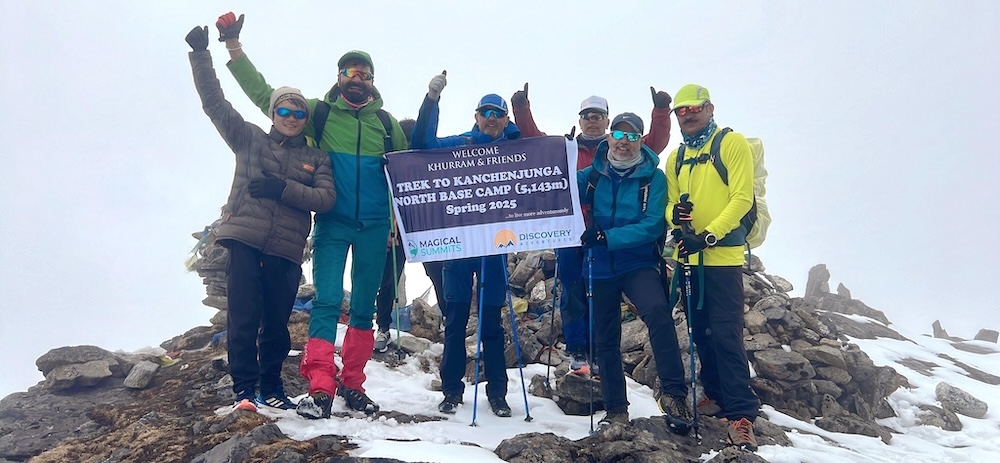
Beautiful memories KBC Trek!
I was part of a group of 5 who booked the Kanchenjunga North Base camp trek through Himalayan Discovery Adventures. I was very impressed by the level and speed of service which was extended from the time I started conversation with booking team till the time I ended the trek. The guide was superb, knowledgeable of the trek and was very courteous. The support team back in Kathmandu led by Mr. Chhiring Sherpa went out of their way to make the experience of this amazing trek even more memorable. Not only would I recommend Himalaya Discovery Adventures to others but I would look them up again for my future treks in Nepal.
An Unforgettable Journey on the Indigenous People’s Trail – Perfect for Every Adventure!
Great trekking company
My 80 year old father and myself did the Indigenous People’s Trail with Himalaya Discovery. They were absolutely wonderful!!! All communications with Chhiring Sherpa when we were still in Aus were clear and accurate. He made the planning very easy. Once we got to Kathmandu our guide met us at the airport and made the rest of our trip a piece of cake. They shaped the walk around what we wanted, were able to tailor each day’s walk to what suited best at the time. Lots of time spent with locals, eating and drinking with them for their evening dinners. Great people to be walking with. I will definitely be coming back and using this company every time I come here.

An Unforgettable Journey on the Indigenous People’s Trail – Perfect for Every Adventure!
Great trekking company
My 80 year old father and myself did the Indigenous People’s Trail with Himalaya Discovery. They were absolutely wonderful!!! All communications with Chhiring Sherpa when we were still in Aus were clear and accurate. He made the planning very easy. Once we got to Kathmandu our guide met us at the airport and made the rest of our trip a piece of cake. They shaped the walk around what we wanted, were able to tailor each day’s walk to what suited best at the time. Lots of time spent with locals, eating and drinking with them for their evening dinners. Great people to be walking with. I will definitely be coming back and using this company every time I come here.
Une Aventure Inoubliable au Népal avec Himalaya Discovery – Authenticité et Bienveillance au Rendez-vous!
Deux copines venues de très loin pour fêter les 30 ans. Le défi de Thorong La était quelque chose d’assez incroyable et stressant pour nous. 2 filles. Mais, HIMALAYA DISCOVERY est selon moi l’entreprise la plus locale et sincère que l’on peut trouver au Népal. C’est l’entreprise qui vous donne la force de réussir ! ????️
Ils ont une dizaine de guide/porteurs maximum.
Norbu et Pemba étaient si bienveillants , calmes et au petit soin chaque jour. Nous avons passé 10 jours exceptionnels. Ils sont devenus notre deuxième famille et c’est une certitude que nous reviendrons au Népal avec eux.
Chaque détail était important pour eux. Notre bien être , leur priorité. La réservation des meilleures chambres dans les maisons de thé. Nos meilleurs repas pour l’acclimatation et bien dormir.
Nous rassurer quand nous étions un peu inquiète d’une étape de marche.
Une flexibilité hors norme, même sur place lorsque nous avons voulu modifier quelque chose.
Vraiment je ne peux pas recommander une meilleure agence que celle là.
Vous pouvez y aller les yeux fermés.
Ce sont les meilleurs.
Ce sont les plus sympathiques.
Mais surtout : les plus authentiques.
Merci encore à mes amis népalais.
À bientôt
Laura de Corsica.

Une Aventure Inoubliable au Népal avec Himalaya Discovery – Authenticité et Bienveillance au Rendez-vous!
Deux copines venues de très loin pour fêter les 30 ans. Le défi de Thorong La était quelque chose d’assez incroyable et stressant pour nous. 2 filles. Mais, HIMALAYA DISCOVERY est selon moi l’entreprise la plus locale et sincère que l’on peut trouver au Népal. C’est l’entreprise qui vous donne la force de réussir ! ????️
Ils ont une dizaine de guide/porteurs maximum.
Norbu et Pemba étaient si bienveillants , calmes et au petit soin chaque jour. Nous avons passé 10 jours exceptionnels. Ils sont devenus notre deuxième famille et c’est une certitude que nous reviendrons au Népal avec eux.
Chaque détail était important pour eux. Notre bien être , leur priorité. La réservation des meilleures chambres dans les maisons de thé. Nos meilleurs repas pour l’acclimatation et bien dormir.
Nous rassurer quand nous étions un peu inquiète d’une étape de marche.
Une flexibilité hors norme, même sur place lorsque nous avons voulu modifier quelque chose.
Vraiment je ne peux pas recommander une meilleure agence que celle là.
Vous pouvez y aller les yeux fermés.
Ce sont les meilleurs.
Ce sont les plus sympathiques.
Mais surtout : les plus authentiques.
Merci encore à mes amis népalais.
À bientôt
Laura de Corsica.
Recommended for you
View Details
Trekking in Nepal
Tamang Heritage Langtang Gosaikunda
View Details
from USD 900
USD 795
Trekking in Nepal
Tamang Heritage Trail
View Details
Trekking in Nepal
