Your awe-inspiring 2026 journey starts here! Fixed Departures: Manaslu Circuit – 10th Oct, 1st Nov Annapurna Circuit – 10th Oct, 1st Nov Nar Phu Valley – 24th Oct, 13th Nov


Lower Mustang Trek Cost
Lower Mustang Trek cost encompass permits, transport, food, lodging, guides, and porters. Typically, you will pay in the range of US$800 – US $1200 for group trek packages, and if you want to have a private or solo trek, you would most likely pay somewhere in the range of US $1000 to US $1500.
Most of your expenses are for the big things like: Annapurna Conservation Area Permit (~US $25); TIMS card (US $20); fees for guides/porters; food; lodging; travel domestically, e.g. bus or fly (Pokhara – Jomsom tickets are only about US $177 – 185).
Group trips can sometimes have discounted prices that will help reduce the per-person cost. Private or smaller groups may afford more flexibility, but generally will be more expensive. The final price will depend largely on timing (the spring and fall are high season), group size, and level of service provided.
If you factor in agency fees, gratuities, and contingencies, a fair total price for a good-quality Lower Mustang trek will be in the region of US $900 to US $1,300 per person. Below is a detailed breakdown of the price of the lower Mustang trek.
What is The Cost of the Lower Mustang Trek Between 2026?
The cost of a Lower Mustang Trek in 2025 should be expected to be in the range of $700 to $1200 per person, depending on the trek, the length of the trek, and what the basic package includes. Most will include registration costs (ACAP and TIMS), tea house accommodations, food, local transport, and fees for guides and porters.
To provide a ballpark for independent travellers on a budget, they should expect to pay approximately $700, and for organised traveler with a guided tour or package, expect fees in the range of $900 to $1200, with the average length of treks being approximately 9 to 14 days for a typical trek.
The base cost for luxury and/or premium tours/packages with additional service and comfort starts at or around $1950 and depends on the trekkers’ needs, and can be as much as $4000.
There will be some changes in costs as a result of inflation and higher permit/transport costs in 2026. The basic packages will be available mostly in the price range of $900-$1,200, though mid-range packages will likely increase to $1,950, premium experiences starting at $4,000, and luxury options will increase to over $4,000. However, Lower Mustang will still remain one of the least expensive trekking experiences in the Himalayas.
Our advice for individuals planning to do a lower Mustang trek is to book and plan the trip as early as possible. This gives you more options and, hopefully, better prices, especially for comfort trip travellers or individuals who are looking for a guided experience.
Note: View our Full Lower Mustang Trek Cost and Itinerary details Here starting at just $1000 per person for 9 day Trek:
What Is Included and Excluded in a Lower Mustang Trek Package?
| Includes | Excludes |
| Airport transfers (Kathmandu – hotel – airport) via private transport before and after the trek. | International flights Tickets |
| Transfers Kathmandu – Pokhara (bus/car) and Pokhara – Jomsom – Pokhara flight. | Tourist visa fees for Nepal |
| Accommodation for your stay in Kathmandu & Pokhara (2 or 3-star hotels, B&B basis). | Lunches and dinners in Kathmandu and Pokhara |
| Teahouse/guesthouse accommodation on the trek (twin-share). | Cost of personal trekking gear (sleeping bag, down jacket, trekking poles) |
| Three Meals on the trek (Breakfast, lunch & dinner, along with tea or coffee). | Beverages/drinks/snacks not included in the basic package |
| All required permits like the Annapurna Conservation Area Permit (ACAP) & TIMS. | Trek travel or evacuation insurance |
| Government/conservation fees & taxes & charges. | Hot showers, laundry, mobile, internet and battery charging time |
| Licensed English-speaking trekking guide or Sherpa Guide, along with his salary, insurance, meals, transportation, etc. | Gratuities/tips for your guide, porter, driver, etc. |
| Porters (1 porter for two trekkers, along with his salary, insurance, and food). | Personal costs (bar tab, souvenirs, extra nights) |
| Two-way Domestic flight from Jomsom – Pokhara- Jomsom, including taxes. | Kathmandu cultural sightseeing entrance fees. |
| Medical kit/insurance coverage for guide/porter. | Optional activities, excursions or flights (mountain flights, side treks, etc.) |
| Farewell dinner (cultural event). | Monument entry fees outside of the trek |
| Basic trekking gear (e.g., sleeping bag, down jacket, poles) – provided by some operators as a complimentary. | Costs for emergency evacuation – unless expressly stated to be covered |
| Extras: duffel bag, T-shirt, trekking map, certificate – provided. | Your own medical kit and the cost for rescheduling or removing flights |
| Lower Mustang Trekking region Map | Any costs that arise from changes to travel data for unforeseen reasons (landslides, weather) |
Local Guide Cost
Hiring guides and porters is a personal choice to hike or trek with a guide, or hike or trek to your destination ie. Lower Mustang on your own. If you are a newer traveller and are looking to enjoy your time outdoors in nature, we strongly recommend hiring guides and porters to carry your luggage and supplies you need while hiking. Hiring a guide is mandatory on your Upper Mustang Trek and here is why:
Whatever you do, remember that the guides are there to help you. Please feel free to ask them about their history, ask them about their experiences, and ask them about their services as a whole. It is always ideal to pay for guided and portered services that are insured and certified, and trained, not to work with independent guides and porters.
The cost of hiring a local guide to assist you throughout the Lower Mustang Trek is about $30 to $40 per day, based on the guide’s experience. The total cost of the guide through the whole trek is approximately $270 to $360 for a 9-day trek.
Typically, if you hire a female guide, it will be a bit more costly, 35 to 40 US dollars per day, due to the experience and knowledge they have, the amount of training they have completed, and the demand for female guides.
Guider Salary and Benefits: Local guides are typically paid by the day, and on a trek, they typically receive some meals and sleeping arrangements as well. In addition, the day’s wage would probably have some insurance built in, which is very important for health protection and safety on remote treks.
If you choose trekking packages, the guide’s salary is usually included in your trekking packages, along with their other expenses like insurance, transportation, food, lodging, and permits.
Porter Service Charges
- Porter cost (standard): USD 20–25 per day
- Guide‑cum‑porter option: USD 23–26 per day
Porter service charges for the lower Mustang Trek are at basically USD 20-25 / day. Upper Mustang is much more remote and regulated, and the traders/porters in Upper Mustang are also around USD 20-25 / day.
If you have a guide/cum-porter that can carry about 10 kg, and provide some regular guiding, you are looking at a rate of about USD 23-26 / day depending on the skills or experience of the porter, you will pay a higher rate (greater than USD 30/day) for a high-skilled or very experienced porter.
The service rate includes wage, meal and accommodation of the porter, and for the porter equipment and insurance.
Accommodation Cost
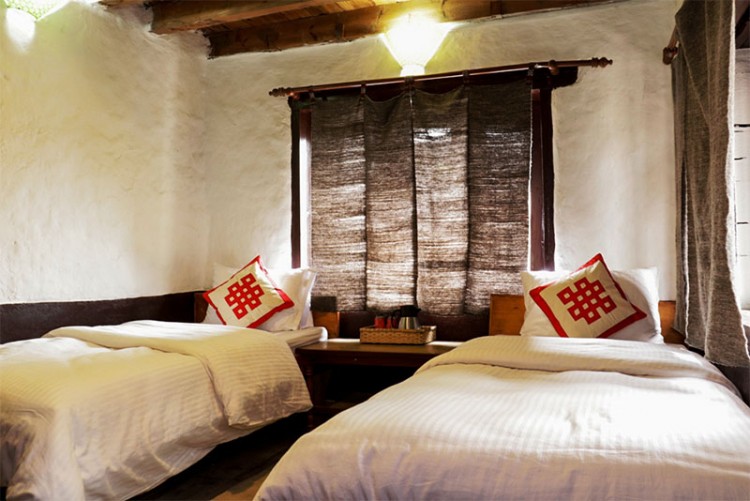
When trekking in Lower Mustang, there are likely to be lots of opportunities to rest and sleep. Teahouses, Hotels, and lodges offer varied and flexible accommodation options, allowing you to rest after your hike.
If you are travelling during peak season, there is a likelihood that most places will be fully booked, meaning that immediately getting accommodation is likely to be impossible. You could either tell us your room requirements in advance, and we will book you the required accommodation, or arrange to check in and book the rooms when you arrive.
Lower Mustang Trek route has many rooms for accommodation, which come in a price range and have stunning views of the Himalayas. The cost of staying and eating in a hotel or lodge is not particularly high. Again, the price will depend on the establishment’s type or standard:
- Basic Tea Houses/Lodges: USD $5 – $15 per person
- Mid-range Lodges: USD $15 – $30 per person
- Luxury Lodges/Hotels: USD $30 – $40+ per person
During the off-season, certain lodges might hand out rooms to you at no cost in case you purchase food and drinks from them. You will get comfortable rooms, tasty food, and a warm, family-like atmosphere in most places.
Meals (Breakfast-Lunch-Dinner) Cost
| Meal | Typical Options | Estimated Cost (USD) |
| Breakfast | • Eggs (fried, boiled, omelettes)• Pancakes, Tibetan bread, toastPorridge, muesli, cereal | $5 – 10 |
| Lunch | • Soups: tomato, garlic, vegetable, mushroom• Veg fried rice, noodles (fried, mix, egg)• Momos (veg or meat)• Sandwiches, spring rolls, macaroni, pizza, chips | $6 – 12 |
| Dinner | • Dal‑bhat (rice, lentils, curry, veg/meat)• Sherpa stew• Curries with rice• Noodles, momos, pasta, pizza, yak/buffalo steak• Dessert: apple pie, chocolate cake, rice pudding | $6 – 12 |
Breakfast Cost
In a trek to Lower Mustang, breakfast is almost always offered at tea house lodges, where trekkers typically stay overnight. Generally, the prices of meals are combined with accommodation and food services. The total is approximately 2800 Nepali rupees (about $20-25) per day for all three meals (breakfast, lunch, and dinner).
For breakfast, only budget around $5-10 per person. Breakfast typically consists of tea or coffee and local or simple continental choices that are served in the dining area, which is usually near the fire during colder months.
Lunch Cost
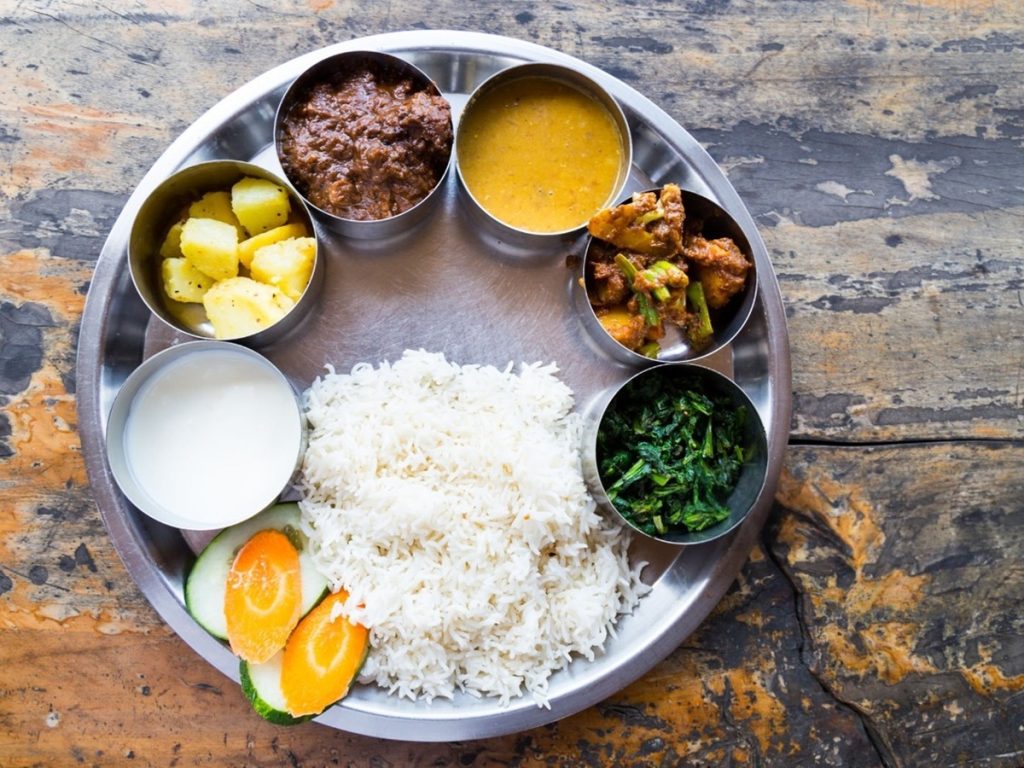
The lunch is given mainly at the teahouses or at the local lodges that are along the trekking route. The cost for lunch only can go from $7 to $10 per meal. Depending on the place and menu choice. A lot of trekkers find that the daily food cost, including lunch, stays within the $20 to $30 range for all three meals.
Dinner Cost
Dinner is usually served in similar dining room settings to the teahouses where breakfast and lunch are offered. Usually, the same room is used for dining at breakfast, lunch, and dinner. It is a good time for trekkers to socialize.
The price for dinner is almost the same as for lunch, i.e., roughly $7 to $10 per meal. These foods are meant to restore the lost energy after a day of trekking, and the dining rooms are, in most cases, warm with a fire during cold evenings.
Cost of Drinking Water and Beverages
The cost of drinks and drinking water is generally reasonable during the Lower Mustang Trek, though higher altitudes may increase costs.
Trekkers typically will spend around $1.50 to $3.00 per day on drinking water and hot or cold beverages. Drinking water in teahouses will be clean for the most part. However, many trekkers can use either water purification tablets or UV filters, which cost around $4 to $6 for the entire trek.
Boiled water is commonly offered at teahouses, especially at high elevations. There are plenty of hot drinks and sodas available. Alcohol consumption should be limited to some extent due to the dehydrating effects and consideration of the ability to acclimatize to the altitude.
Cost Of Drinks
- Tea (regular, masala, butter): $1.5 – $4 per cup
- Coffee: $2 – $4 per cup
- Bottled/boiled water: $1 – $3 per liter
- Soft drinks (cola, soda): $0.5 – $3 per bottle
- Fruit juices: $1 – $3 per glass
- Ginger Lemon Honey Tea: $1.25 – $1.75
- Instant Coffee: $1.25 – $2.00
- Energy drinks: $2 – $4 per can
- Local beer: $2 – $5 per bottle
- Spirits (whiskey, raksi): $3 – $7 per serving
- Energy Drinks (Red Bull, etc.): $2.50 – $4.00
Total Transportation Cost (to/from trek Starting Point)
1. Kathmandu to Pokhara and Vice Versa
Numerous options are available to travel between Kathmandu and Pokhara to start the Lower Mustang Trek that differ in budget, comfort, and time.
Kathmandu to Pokhara By Tourist Bus
- Cost: $10 – $25 per person (one way)
- Time: 6–8 hours
- Types: Standard, Deluxe, VIP Sofa buses
- Round Trip Total: $20 – $50 per person
By Private Car/Jeep
- Cost: $130 – $180 per vehicle (one way, 3–4 people)
- Round Trip Total: $260 – $360 per vehicle
By Domestic Flight
- Cost: $90 – $125 per person (one way)
- Time: 25 minutes
- Round Trip Total: $180 – $250 per person
2. Pokhara to Jomsom and Vice Versa
There are mainly two means of transport to get from Pokhara to the Jomsom area or the trailhead:
By Local/Private Jeep
- Cost:
- Local Jeep (sharing): $20 – $30 per person (one way)
- Reserved Jeep: $180 – $250 per vehicle (one way, 6–7 pax)
- Time: 8–10 hours (rough mountain road)
Round Trip Total:
- Local Jeep: $40 – $60 per person
- Private Jeep: $360 – $500 per group
By Domestic Flight
- Cost: $110 – $130 per person (one way)
- Time: 20–25 minutes
- Round Trip Total: $220 – $260 per person
Equipment and Gear Rentals/ Purchase Expenses
Trekking enthusiasts can either decide to rent or purchase the Lower gear and equipment in Kathmandu or Pokhara; whether to rent or to buy is simply a matter of price and preference of the trekker.
Rental is usually best for temporary gear, and buying is best, especially for trekkers who want new gear to keep and are likely to use frequently.
Rental prices in Thamel (Kathmandu) and Lakeside (Pokhara) are very affordable. Sleeping bags, down jackets, trekking poles, and good backpacks can be rented, typically for around 1-2.50$ per day. Full rental gear for a 7-10 day trek is typically in the range of 40-70$.
Purchasing equipment can vary greatly across qualities and brands. Local or Chinese-made equipment is cheaper, while branded equipment from stores such as The North Face or Mountain Hardwear can add up quickly.
For example, you may be able to buy a down jacket for as low as $30 (local) to over $200 (branded), and a set of hiking boots may range from $40 to $180.
Most trekkers will likely do a combination of renting and purchasing, depending on what they’re hoping to get. Essential gear, such as good hiking shoes or thermal layers, is typically purchased, whereas bulkier gear is often rented.
Common Gear & Costs
- Sleeping Bag (Rent): $1.5/day
- Down Jacket (Rent): $2/day
- Trekking Poles: $1/day
- Backpack (Rent): $1–$2/day
- Headlamp (Buy): $5–$25
- Hiking Boots (Buy): $40–$180
Permit and Entry Fees Breakdown
Annapurna Conservation Area Permit (ACAP): $30–$35
If you are trekking in the Annapurna Conservation Area (ACAP) is incredibly important to have the ACAP permit as the Lower Mustang is included in the ACAP permit requirement and will cost approximately $30 / $35 (+- NPR 3,000) per person for foreigners;
Using your fee, the permit covers conservation and other community development projects in the area. Trekkers from the SAARC region will pay a reduced fee of about NPR 1,000 (approximately $8) as mutually agreed upon benefits of the wellness arrangement between the neighbour countries.
TIMS Card (Trekkers’ Information Management System): $10–$20
In 2008, the Trekkers’ Information Management System (TIMS) card was introduced as an obligatory trekking permit in Nepal to help control trekking in terms of safety on the trail and trekking in general. In April of 2023, the TIMS card was finally transitioned into an E-TIMS version.
The TIMS card is now administered by the Nepal Tourism Board and the Trekking Agencies Association of Nepal (TAAN). E-TIMS permits are granted to group trekkers with registered agencies; it does not cover independent trekking.
The TIMS card costs a nominal fee of $20/NRP 2000 for international trekkers, and $10/NRP 1000 for SAARC nationals trekking in Nepal. Trekkers trekking on official trekking trails without a TIMS card or guide will be fined 12,000 NRP.
Total Tipping Cost
Tipping in Nepal’s Lower Mustang Trek is customary, as with any other trekking region; therefore, the tipping process is at your discretion. Your tip will depend on many things, like the size of your group, the level of service, your personal budget, etc. Usually, tipping 10-15% of the total cost of the trek is the general rule.
For example, if your Lower Mustang Trek Cost is $1,000, then you may be considering tipping ($100-150). It is possible you want to share this tip with the guide, porter, and other crew. It is often best to accumulate the total tip as a group and give the guide a group-collected tip that is a parting gift at the end of your trek.
This way, everybody is treated the same, and you don’t create an uncomfortable situation amongst the group. Keep in mind that tipping is a gesture of bestowing recognition on your trekking team for their effort and commitment.
Lower Mustang Trek Cost: Additional Considerations
Hot Shower
In some lodges and teahouses of Lower Mustang Trek, there are showers that are offered, but the number is limited, and that number also may come with an extra charge of $2 to $5.
It is also not certain that hot water can be available, especially in remote villages, so a large number of trekkers simply resort to bucket baths or use hot water that they have heated on the stove. In order to make your bathing more comfortable, do not forget to take biodegradable soap and quick-drying towels with you.
Device Charging
Generally, a power supply at teahouses is an option; however, it will most likely be available for a fee of $1 to $3 per charging session. Source power can be irregular, so taking along a power bank or a solar charger might be a good idea, especially in those places that are more isolated, where the availability of energy may be limited.
Wifi
Access to wifi is very limited, and it is only in the bigger villages or guesthouses in Jomsom and Marpha that it is likely to be there. The link is usually sluggish and unstable, with a cost ranging from $1 to $5 for each hour. The majority of trekkers rely on local SIM cards with data plans for internet access on the trail.
Sim Cards
Getting a SIM card in Nepal is very simple in larger urban centers such as Pokhara or Kathmandu. Ncell and Nepal Telecom are among the leading providers of mobile coverage in Lower Mustang Trek route. The cost of a SIM card is somewhere around $2 to $5; also, data packages for 1 to 2 GB starting at $5 to $10 should suffice for sending messages and surfing the internet lightly while on the trek.
Nepal Visa
Most foreign visitors to Nepal are required to have a Nepal Visa, which can be obtained at Tribhuvan International Airport or at the border if they cross by land. The visa fee depends on the length of stay: $30 for 15 days, $50 for 30 days, and $125 for 90 days. It is recommended to have the visa fee in US dollars in cash.
ATM Charges
There are ATMs in Pokhara and Jomsom, but they are very limited along the trekking route. Banks impose different limits and fees for withdrawals that mostly fall in the range of 1-2% per transaction.
It’s a good idea to have enough cash in Nepalese Rupees before you start your trek because the ATMs in remote places often have no money, and this situation is worse in peak season.
Extra Snacks
The meals are usually taken care of in the trekking packages, but still, buying extra snacks such as energy bars, chocolates, and nuts in larger villages will cost from $1 to $3 per item. Snacking along the way will help you sustain energy for your long trekking days or when the shops are closed.
Laundry
The laundry service in teahouses in larger villages is usually $2 to $5 for each load. There may be no laundry service in smaller villages, so it is suggested you bring some quick-drying clothes and do your own hand washing.
Souvenirs
Lower Mustang is the place to go if you want fancy stuff made by hand, for example, Thakali textiles, Tibetan-style jewelry, and traditional prayer flags.
Depending on the type, prices vary widely, but typical souvenirs are $5 to $30. The practice of bargaining goes on and is a norm.
Sightseeing Kathmandu
Places to visit whilst being a tourist in Kathmandu are dependent on the activities that you are going to do. The entrance fees will range from $1 to $5. Dinner with a local family can be a unique experience that will cost around $20 to $50.
If you really want to immerse yourself in the local culture, pace yourselves a bit and rest before your trek or after.
Table of Contents

